

The $200 Demo That Has Paid Me $15,000

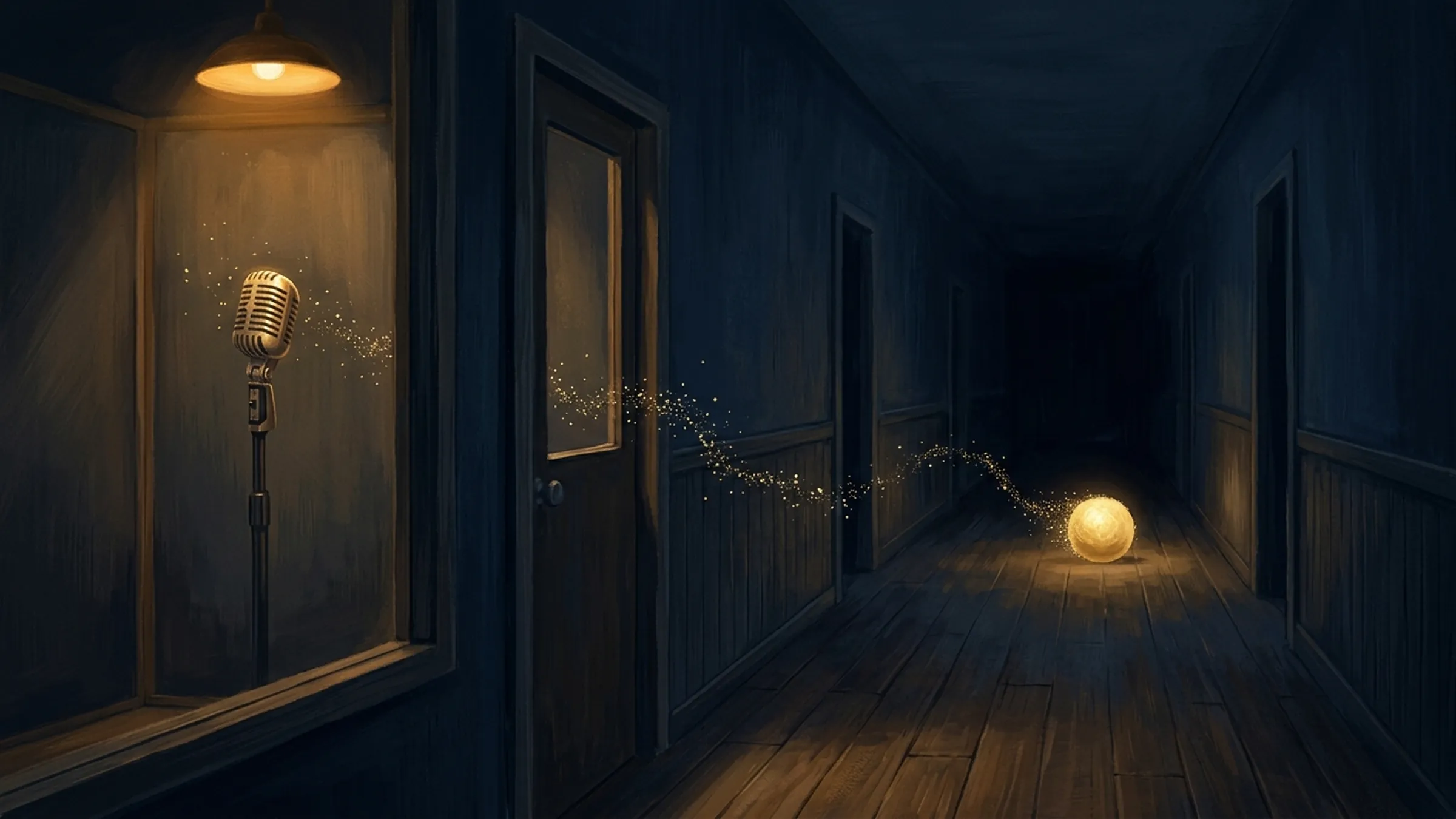
Thirty minutes of work, a Universal feature film, and the royalty snowball that's still rolling.
Universal Pictures paid me two hundred dollars. That two hundred dollars has turned into more than fifteen thousand — and it’s still growing.
Here’s the whole job: I cut a demo. Thirty minutes of work.
If you don’t live in this world, understand what a demo is supposed to be. A demo is disposable by definition. You sing it so somebody can make a decision about the real version. It’s the sketch before the painting, the stand-in before the star arrives. Nobody frames the sketch. You do the work, you cash the two hundred dollars, and you forget about it — because that’s the deal everyone in the room understands.
Except sometimes the sketch is the painting.
They kept my vocal. Not for a pitch meeting, not for a temp mix — for the theatrical release of Sing 2. The demo became the final. The thing I sang in half an hour went out to movie theaters around the world with Universal’s name on it.
And then the royalty statements started arriving. They’ve been arriving ever since.
Why the checks exist
Here’s the part of this story that matters more than the number, because the number was luck and this part is structure.
That session was done under a union contract. Which means the two hundred dollars was never the whole agreement — it was the session fee, with paperwork behind it that said: if this performance ships, the payments follow the work wherever it goes. Theatrical. Home release. Streaming. Everywhere the film earns, the formula runs, and a piece finds its way back to the people who made the sound.
That’s the difference between a flat fee and residuals. A flat fee pays you once. Residuals pay you for as long as the work keeps working. I got paid for thirty minutes in a booth — and then the paperwork kept getting paid for me, year after year, with no additional work. Union protection is why those checks exist at all. Nobody sends royalty statements out of kindness.
What this means for you
I’m not telling you this story so you’ll think I’m lucky. I’m telling you because of what it proves about how this career actually works.
You cannot tell, walking into the room, which session is the one that pays for a decade. It looks exactly like every other Tuesday. The gig that changes your statements forever arrives dressed as a two-hundred-dollar demo — which means the only strategy that works is to treat every take like it might ship, and make sure the paperwork protects you when it does.
And notice where the story starts: with a working singer getting session calls at all. That’s a chain you can enter. First gigs in this lane often arrive exactly like mine did — a demo, a couple hundred dollars, a decision made fast. Session singing is the first of nine ways artists get paid inside music from their first months, and every one of them puts you in rooms where a Tuesday like mine can happen.
The two hundred dollars was never the payment. It was the ticket.
So far, the number says fifteen thousand. I like the words so far.
— Deyder Cintron
Recently Published
Related Reading
 Nine Ways to Get Paid Inside Music From Month One Paid practice: the answer to 'what do I do for money while I climb' — every path named, first moves included. GETTING PAID
  What Music Actually Pays: The Base Camp Numbers Live, merch, streaming, fans, sync, brands — the honest ranges for years one through three, and the stack principle…