

What Music Actually Pays: The Base Camp Numbers

Live, merch, streaming, fans, sync, brands — the honest ranges for years one through three, and the stack principle that turns five small streams into a salary.
Ask a working musician what they made last year and you’ll get a subject change. Ask the internet and you’ll get a screenshot — someone’s best month, cropped tight, sold as a system.
Here’s what almost nobody prints: the actual ranges. What a bar set pays. What merch does per head. What a thousand streams is really worth. What sync money requires before it will even look at your catalog.
So let’s print them.
One label before the numbers, because this masthead doesn’t do fine print: these are planning ranges from professional experience running artist campaigns and industry deal conversations — including knowledge built alongside a former major-label executive. Every market varies. Use these to plan, never to promise yourself.
And one piece of orientation: music income isn’t one number — it’s three altitudes of the same mountain. This piece lives at the first. Base Camp is years one through three, the humble, non-negotiable first climb where every working career starts. The channels barely change as you climb; the zeros do. The Working Altitude and the Summit live in the full Atlas inside the Artist Career Map.
LIVE — per show, independent ranges
Open mics pay nothing, and they’re still the right first move — you’re buying reps and relationships, and both pay later. Coffeehouse and bar sets run $50–150 plus tips. A support slot in a room holding a hundred to three hundred people runs $100–300. Headlining a room you can actually draw is where the number changes shape: $300–1,500 through guarantees and door splits. Regional rooms in the three-to-seven-hundred range pay $1,000–5,000, and small festivals run $500–2,500. Beyond that, agents enter — and the math changes leagues.
The move: book the next open mic and make one paid coffeehouse ask this month. The fee matters less than the rep math.
MERCH — the multiplier most artists ignore
A casual show does $1–3 per head in the room. A hot headline night with an engaged crowd does $3–6 and up. Two hundred people at four dollars a head is $800 — often more than the guarantee itself. Merch is why the audience lane feeds the income lane directly.
The move: one item, one table, every show. Start with the thing you’d actually wear.
STREAMING — the honest line
Roughly $3–5 per thousand streams, with most independent artists landing near four dollars. A million streams is about four thousand dollars, gross, before your distributor’s cut. And since 2024, a track has to clear a thousand streams in a rolling twelve-month window before it earns anything at all.
Streaming is a discovery channel and a royalty snowball over years. It is never the plan’s engine. Print that number where you can see it.
The move: stop refreshing the dashboard. Streams go in your monthly review, next to the numbers that actually pay.
FAN COMMUNITY — the engine
Ten members at ten dollars a month is gas money. A hundred is a thousand dollars a month — your production budget. A thousand is the $120,000 math. This is the one channel that is 100% owned, and it compounds with every other lane on this page.
The move: start the list before you think you’ve earned one. One findable place, one invitation per release.
SYNC & LICENSING — catalog income
Student and indie film placements run $0–500 — and they’re worth taking early, because credits beget credits. TV background and basic cable runs $500–5,000. Prominent placements and national campaigns reach five figures and up.
The requirements come before any of it: a cleared, one-stop catalog — you control master and publishing — and broadcast-quality masters. Craft and catalog gate this channel. Not luck.
The move: before you pitch anything anywhere, answer one question honestly — do you control master and publishing on every song you’d send?
BRAND PARTNERSHIPS — engaged reach
Local and in-kind deals open around one to five thousand engaged local followers. Paid micro-partnerships typically run $250–2,500 per campaign in the ten-to-hundred-thousand engaged range. The load-bearing word in both sentences is engaged — brands buy attention quality, not follower counts. One more reason the owned lane outranks the rented one.
The move: pitch one local business an in-kind trade this quarter — product or venue for content, no cash on either side.
THE STACK PRINCIPLE
No single channel is the career. Base Camp income is five small streams, not one jackpot — the same invisible middle-class economics behind every working professional you’ve never heard of who’s been paid for a decade. And every stream above compounds into the next altitude.
So here’s the week’s assignment: pick the two channels closest to live for your stage. Ignore the rest for ninety days. Depth in two beats dabbling in six — and the mountain will still be here when you’re ready to climb.
Sources: Spotify for Artists — Track monetization eligibility (the 1,000-stream threshold, April 2024) · Loud & Clear — why sub-1,000-stream tracks don’t earn recording royalties · Spotify for Artists — Royalties guide (streamshare; no fixed per-stream rate) · Industry planning math on the $0.003–0.005 per-stream benchmark. Spotify pays by streamshare, not a fixed rate; the three-to-five-dollars-per-thousand figure is the industry’s planning benchmark, not a Spotify rate. All other ranges are planning ranges from professional experience. Last verified 2026-09-03.
Recently Published
Related Reading
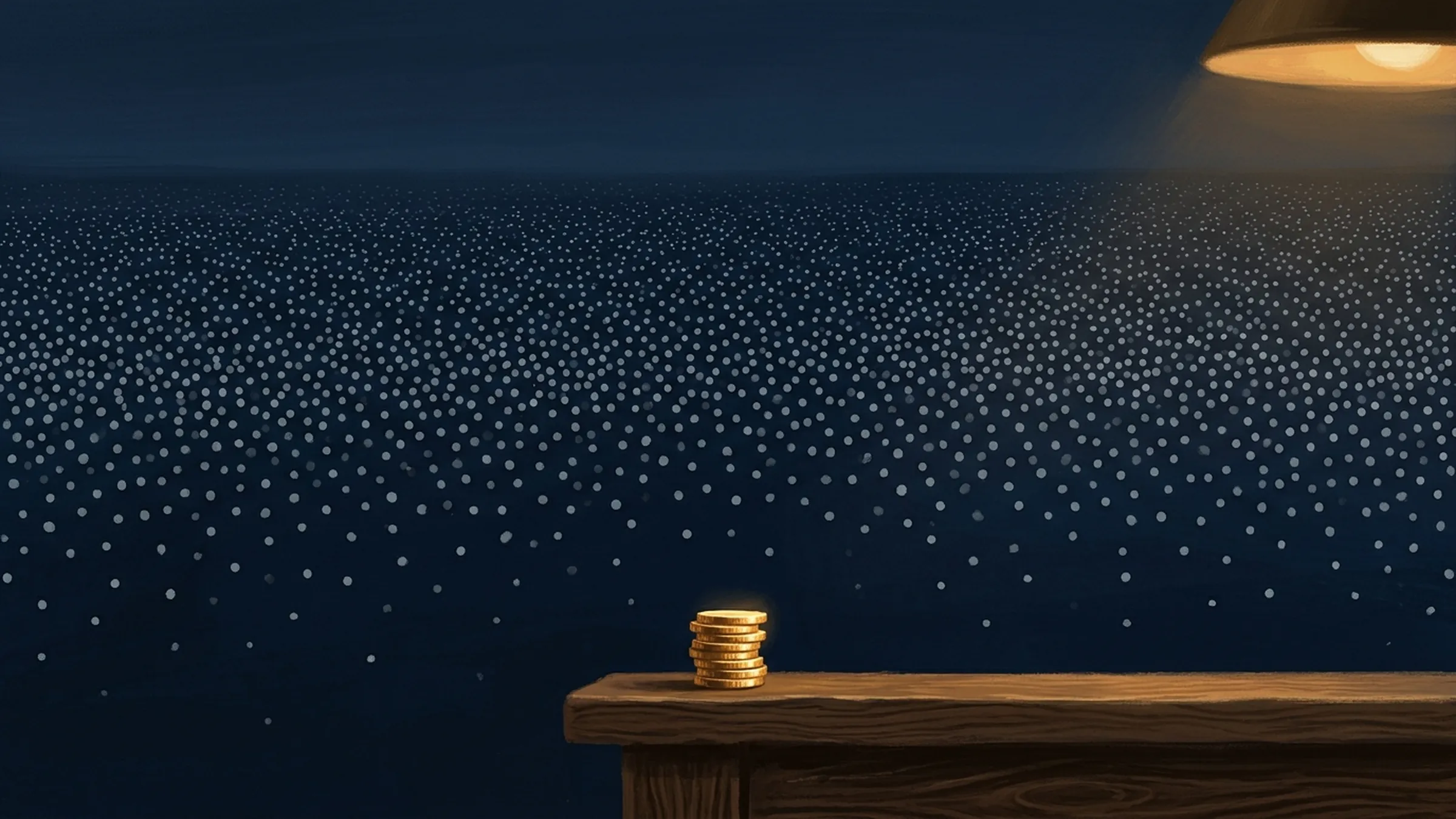 A Million Streams Is Four Thousand Dollars The honest line on streaming — and the owned-audience math that actually carries a career. GETTING PAID
 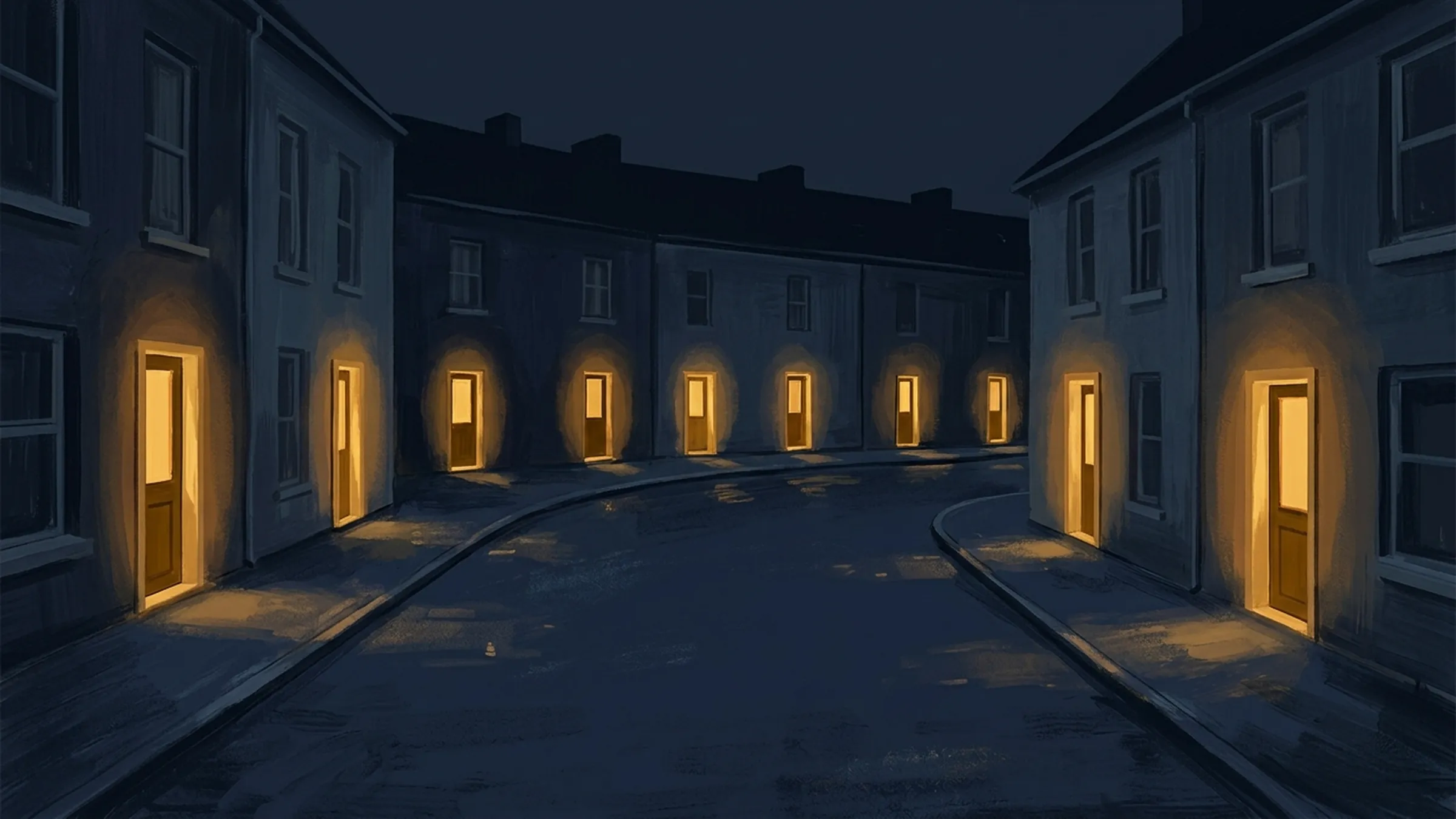 Nine Ways to Get Paid Inside Music From Month One Paid practice: the answer to 'what do I do for money while I climb' — every path named, first moves included. FINISH YOUR SONGS
  The Eighteen-Month Rule Your first five releases will reach almost nobody — on purpose. The ramp every real audience is built on.